The Importance of First Aid Courses

Emergencies can strike at any moment, whether at home, in the workplace, or within the community. Having the skills to respond quickly and effectively can make all the difference in saving lives and minimising harm. First aid courses provide essential training to help you act confidently when it matters most. At Riklan, we specialise in delivering high-quality first-aid training tailored to your needs, ensuring you are equipped to handle emergencies with skill and assurance.

Understanding First Aid Training

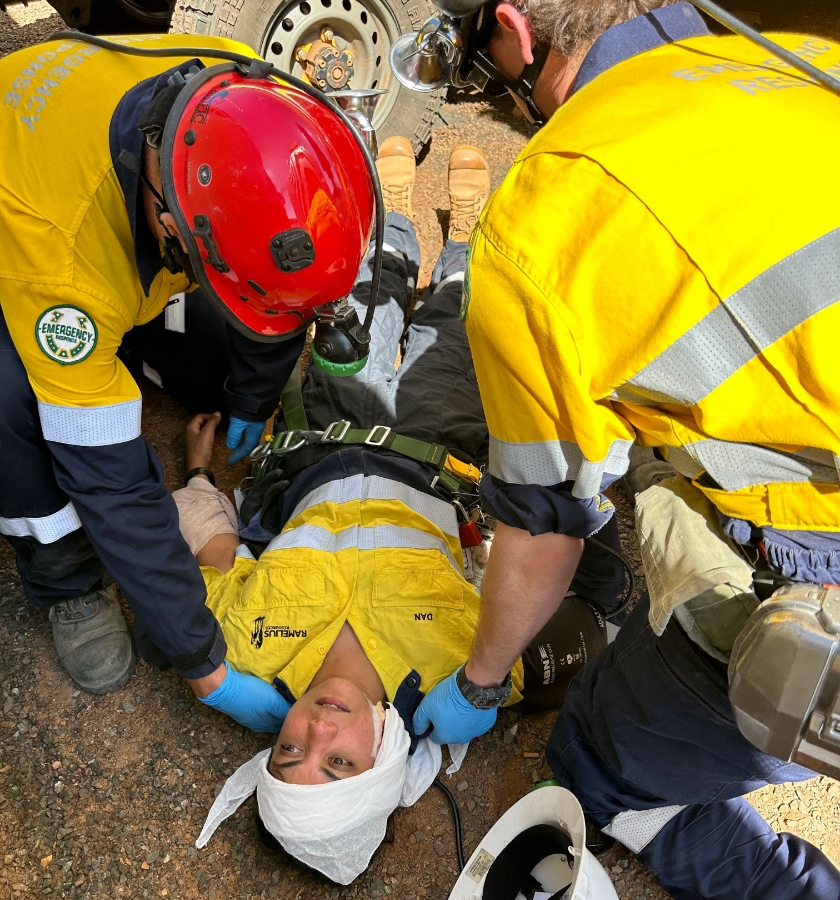
First aid is the immediate care provided to someone experiencing illness or injury. The goal is to stabilise the situation and prevent the injured person or condition from worsening until professional medical help arrives. Whether it’s performing CPR during a cardiac arrest or properly dressing a wound, these critical skills can prevent minor issues from becoming major complications.

Riklan’s online first aid courses are designed to ensure you have practical knowledge that can be applied in real-world situations, empowering you to make a difference.

Benefits of First Aid Training

Investing in first aid training has an array of benefits, it equips you with the skills and confidence to handle emergencies effectively. The following are some key benefits when completing a first-aid course with Riklan:

Saving Lives

Emergencies such as severe bleeding, choking, or cardiac arrest demand immediate action. Knowing what to do in those first few minutes can be the difference between life and death.

Reducing Recovery Time

Quick and appropriate action can minimise the severity of injuries, as well as help those affected recover faster. Riklan’s courses teach you how to respond effectively, reducing long-term impacts.

Preventing Complications

Even small injuries can escalate if not handled correctly. Riklan ensures aid training courses that participants learn the correct techniques to manage injuries and illnesses before professional help arrives.

Building Confidence

Emergencies and emergency situations often induce panic, but training builds your confidence to stay calm and take control. With Riklan’s expert-led sessions, you’ll gain the knowledge and assurance to act decisively in any situation.

First Aid in the Workplace

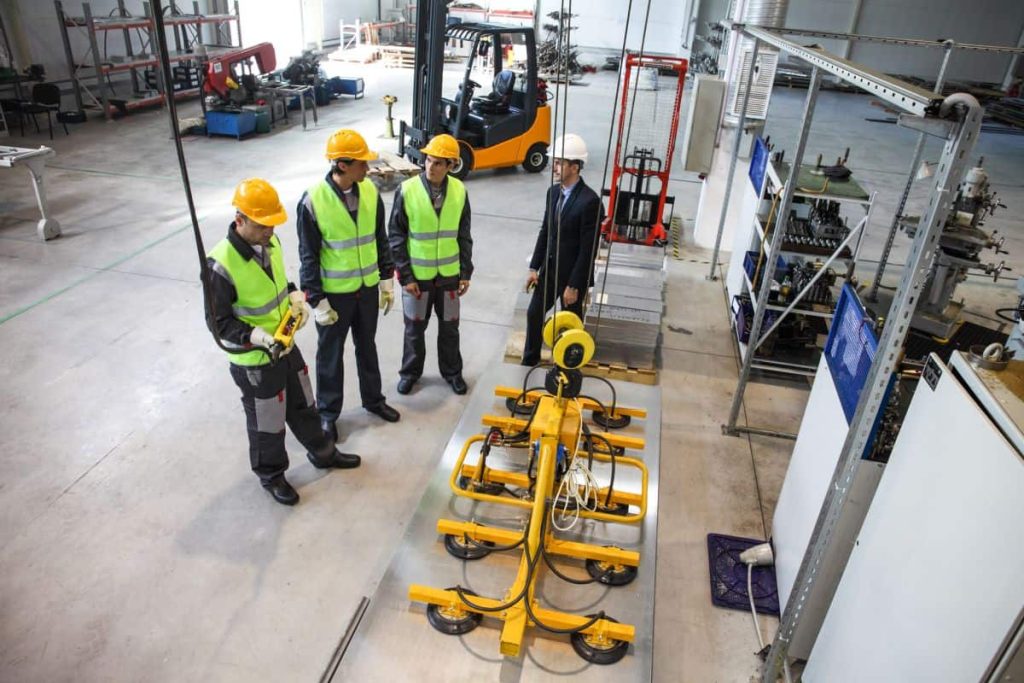
In professional environments, basic first aid procedures and training are not just beneficial—it is often a legal requirement. Accidents can happen anywhere, from offices to construction sites, and having trained staff on-site can significantly reduce the impact of workplace incidents.

Riklan offers first aid courses tailored to meet workplace safety standards, ensuring your team is prepared to respond to emergencies. Our first aid training benefits help employers meet regulatory requirements, boost workplace morale by showing a commitment to safety, and reduce the risk of injury-related downtime.

With industry-specific training options, Riklan ensures your workplace safety plan is comprehensive and compliant.

Community Impact

First aid training is not just about personal preparedness; it creates a ripple effect within communities when more people are equipped with basic life support and saving skills. Therefore; providing a safer community. Trained individuals can assist in public emergencies, alleviating pressure on emergency services and potentially saving lives in critical situations.

Riklan’s commitment to quality training extends beyond the workplace, offering courses that prepare participants to step up in any setting—whether at home, at community events, or during unexpected medical emergencies.

Mental Health First Aid

The importance of first aid knowledge in mental health has gained greater attention in recent years, and first aid training now extends to recognising and responding to mental health crises. Identifying signs of distress such as anxiety, depression, or suicidal thoughts can lead to timely intervention and support.

Riklan offers specialised training in mental health first aid, teaching you how to provide reassurance, support immediate assistance, and direction to appropriate professional resources. This training is invaluable for creating supportive environments at work, at home, and in the broader community.

Why Choose Riklan for First Aid Training?

Riklan is a trusted provider of first aid courses, offering comprehensive training solutions to suit individual, workplace, and community needs. With years of experience in safety training, Riklan ensures every first aid course is practical, engaging, and focused on real-life application.

Here’s how Riklan can help:

  • Tailored Training: Courses designed to meet the specific needs of your workplace or group.
  • Expert Trainers: Our experienced professionals ensure you gain confidence and mastery of first aid techniques.
  • Comprehensive Support: From basic first aid to advanced workplace safety programs, Riklan covers all levels of training.
  • Flexible Options: On-site or off-site training is available to suit your schedule and requirements.

Choosing Riklan means choosing quality, reliability, and a commitment to safety.

Equipping You With Practical Skills

First aid training is an essential investment for individuals, workplaces, and communities. It provides the skills to respond effectively in emergencies, saving lives and reducing harm. With Riklan’s expert first-aid training courses, you gain the confidence to handle critical situations and make a real difference.

Whether you’re an employer seeking to meet legal safety standards or an individual who wants to be prepared for life’s uncertainties, Riklan is here to guide you through first aid knowledge. Our first aid training equips you with practical skills that could one day save a life.
Why You Should Apply for RPL

If you’ve gained skills and knowledge through prior learning, applying for Recognition of Prior Learning (RPL) with us at Riklan can be a game changer. Whether it’s from a university degree, informal learning, or work experience, RPL recognises your previous studies and qualifications and provides you with credit toward your current program. This can help you graduate sooner, reduce your study load, and avoid repeating what you’ve already mastered.

Save Time by Fast-Tracking Your Degree

One of the key benefits of applying for RPL is the ability to graduate sooner. Instead of completing the entire course from scratch, RPL allows you to bypass certain units or subjects based on your past qualifications or previous studies. By receiving credit transfer for your prior knowledge, you can reduce the time it takes to complete your certificate or training course.

For example, students with relevant work experience or previous study experience can demonstrate their competency and earn credits towards their qualification. In some cases, applicants can save weeks, if not months, on their study time.

Formal Recognition of Informal and Non-Formal Learning

RPL isn’t just about formal learning—it also recognises informal learning and non-formal learning. Whether you’ve gained skills on the job or through other forms of professional development, RPL allows you to seek recognition for this knowledge. If you can provide evidence of your competency, such as work achievements or industry certifications, this can count toward your formal qualification.

Even life experience can be relevant. If your current knowledge or skills are aligned with the learning outcomes of a particular unit, you may be eligible to receive credit through the RPL process.

Reduce Costs and Study Load

By applying for RPL with us at Riklan, you not only save time but also reduce the cost of your education. Skipping units means you won’t have to pay for them, and reducing your study load allows you to focus on the remaining subjects without stretching your resources. This benefit applies to a wide range of students, including those pursuing a university degree, vocational education, or further training in an industry-specific field.

Tailored for Career Progression

For those already working in their field, applying for RPL is an excellent way to formalise their work experience and advance their career. The process allows you to gain recognised qualifications without the need to repeat what you already know, helping you meet job entry requirements or pursue higher qualifications. This is particularly useful for vocational education students looking to move up within their industry.

RPL can also enhance your career outcomes by formally recognising your skills and preparing you for more advanced job roles. Once your RPL application is approved, you’ll have the qualifications that employers are looking for, without the added burden of unnecessary training.

A Flexible and Supportive Process

The RPL process is designed to be flexible. You can complete it at your own pace, and it takes into account various forms of prior learning, from university to workplace training. The application requires you to submit supporting documents, such as a current resume, work portfolios, or certifications that show your competency.

Throughout the application process, assessors will assess your evidence, and if there are any gaps, they may request further information or suggest gap training. The RPL pathway is tailored to help students successfully transition into their chosen field while recognising their previous work and study experience.

How to Apply for RPL

Applying for RPL with us at Riklan is straightforward. You’ll need to provide evidence of your prior learning, including documents related to your previous studies, qualifications, and work experience. At Riklan we have clear entry requirements, and your application will be assessed against these criteria to determine eligibility.

Each RPL assessment is unique, and the institution will work with you to ensure you meet the learning outcomes required for your course. Whether you’re pursuing a certificate, verification of competency, or specialised training, RPL allows you to complete your program efficiently while receiving formal recognition for your skills.

Contact Us To Apply Today

Applying for RPL with us at Riklan is one of the smartest moves you can make if you have prior learning, work experience, or qualifications that align with your current study. By shortening your study time, saving on costs, and ensuring your skills are recognised, RPL opens up a pathway to formalise your knowledge and advance your career without redundancy.

Essential Skills for Crisis Response

In the modern world, organisations must be prepared to handle an array of crises, ranging from natural disasters to human-made catastrophes. Effective crisis management requires not only robust planning but also the development of specific skills that enable leaders and responders to navigate these tumultuous events with confidence and precision. At Riklan, we offer comprehensive emergency management courses designed to equip you with these critical skills, ensuring that you are well-prepared to face any crisis.

Understanding Crisis Management

Crisis management involves identifying potential threats, preparing for them, and executing an organised response to mitigate their impact. It is a multifaceted process that demands a combination of strategic planning, real-time decision-making, and effective communication. Organisations that excel in crisis management can protect their reputation, maintain stakeholder trust, and ensure business continuity even in the most challenging circumstances.

The Importance of Emergency Management Courses

Emergency management courses provide the foundation needed to develop the skills essential for effective crisis response. These courses cover a wide range of topics, including risk assessment, crisis planning, and incident management. By participating in these courses, individuals and organisations can ensure that they are ready to respond to crises efficiently and effectively.

Key Skills for Effective Crisis Management

Situational Awareness

Situational awareness is the ability to understand the context of a crisis as it unfolds. This skill involves assessing the relevance and completeness of available information, anticipating potential consequences, and making informed decisions. Leaders with strong situational awareness can distinguish crucial data from irrelevant details, enabling them to minimise the impact of the crisis.

Improvisation

In many crisis scenarios, the initial plan may prove ineffective. Improvisation is the ability to adapt quickly and develop alternative strategies on the fly. This skill is crucial when dealing with novel or unpredictable events where predefined plans are insufficient. Effective crisis responders can devise new plans and adjust their approach as the situation evolves.

Creativity and Adaptability

Creativity and adaptability go hand-in-hand with improvisation. These skills allow leaders to think outside the box and implement innovative solutions in response to dynamic conditions. By remaining flexible and open to new ideas, crisis managers can pivot as needed and address emerging challenges effectively.

Decisiveness

Decisiveness is the ability to make quick, informed decisions under pressure. In a crisis, delays can exacerbate the situation, making prompt decision-making essential. Leaders must be able to choose a course of action swiftly, even as new information becomes available, and be willing to reevaluate and adjust their decisions as necessary.

Action

Taking decisive action is fundamental to effective crisis management. Leaders must demonstrate the ability to implement their plans and guide their teams through the execution process. This involves not only making decisions but also ensuring that those decisions are carried out promptly and efficiently.

Effective Communication

Clear and effective communication is critical during a crisis. Leaders must be able to convey important information to all relevant parties, including employees, stakeholders, and the public. This communication should be timely, accurate, and concise to prevent confusion and ensure that everyone understands their roles and responsibilities.

Reevaluation

Reevaluation is the continuous process of assessing the effectiveness of the crisis response. Leaders must regularly ask, “How are we doing?” and “What are we missing?” to identify areas for improvement. This ongoing assessment helps to ensure that the response remains effective and that any necessary adjustments are made promptly.

The Role of Emergency Management Courses

At Riklan, our emergency response courses are designed to develop these essential skills in participants. Our comprehensive training programs cover all aspects of crisis management, from initial planning to real-time response and post-crisis evaluation. By enrolling in our courses, you will gain the knowledge and practical experience needed to excel in crisis situations.

Course Highlights

Risk Assessment and Management

Learn how to identify potential risks and develop strategies to mitigate them. This includes understanding the types of crises that can occur and the best practices for preparing for and responding to these events.

Crisis Response Planning

Develop detailed crisis response plans that outline the steps to be taken in various scenarios. These plans ensure that your organisation is prepared to handle any crisis effectively.

Incident Management

Gain hands-on experience in managing incidents as they occur. This includes real-time decision-making, coordination of resources, and effective communication with all stakeholders.

Communication Strategies

Learn how to communicate effectively during a crisis. This includes crafting clear and concise messages, using various communication channels, and managing the flow of information to prevent misunderstandings.

Continuous Improvement

Understand the importance of re-evaluation and continuous improvement in crisis management. Learn how to assess your response efforts and implement changes to improve future performance.

Safety And Resilience For Organisations

At Riklan, we understand the critical role that effective crisis management plays in ensuring the safety and resilience of organisations. Our emergency response courses are designed to equip you with the essential skills needed to navigate crises confidently and competently. By investing in these skills, you can protect your organisation, maintain business continuity, and emerge stronger from any crisis. Contact Riklan today to learn more about our emergency management courses and how they can benefit your organisation.

Role of Drug Testing Training in Substance Abuse Prevention Strategies

Substance abuse continues to be a significant public health challenge in society.

As professionals involved in the management of this complex issue, we recognise that drug testing plays a critical role in identifying and addressing drug misuse.

The implementation of drug testing, when coupled with comprehensive training for individuals administering these tests, enhances the overall effectiveness of efforts to combat substance abuse.

We understand that ensuring that personnel are thoroughly trained in drug testing procedures, elevates the standard and reliability of the testing process. This knowledge allows us to draw insightful conclusions from the results, which are imperative in designing individualised intervention strategies. Moreover, appropriately conducted drug tests serve as a deterrent to substance misuse among populations where testing is a known practice.

In our experience, we’ve observed how drug testing training allows for improved decision-making in various settings, from workplaces to rehabilitation programs. It equips individuals with the skills to not only perform tests accurately but also to interpret the results within the broader context of substance abuse prevention and treatment. The training is integral to building a solid foundation in efforts aimed at reducing the prevalence and impact of substance abuse in our communities.

Role of Drug Testing Training

In our approach to combating substance abuse, we emphasise the significance of drug testing training, which is pivotal in recognising and managing addiction.

Understanding Substance Abuse

We view substance abuse as a complex health issue that affects individuals and society. Our training in drug testing has enhanced our client’s ability to identify the behavioural and physiological signs of substance misuse. Recognising these signs is crucial in addressing the problem effectively.

Importance of Early Detection

Early detection of substance abuse can drastically alter the outcome for an individual. Our expertise in drug testing allows for the identification of substance abuse at an initial stage, facilitating timely intervention. Your role in early detection is a critical step in preventing the escalation of addiction and in promoting recovery.

Training for Healthcare Professionals

We advocate for comprehensive drug testing training for healthcare professionals, as it equips them with the necessary skills to conduct accurate testing and offer appropriate treatment plans.

Our training includes understanding the nuances of various testing methods, which is essential for ensuring reliability and supporting the overall treatment process.

Combating Substance Abuse

In tackling substance abuse, the emphasis is placed on preventative strategies, effective rehabilitation programs, and robust support networks which are critical to curbing the issue.

Strategies in Drug Prevention

As a first line of defence against substance abuse, we recognise the importance of preventive measures. Education and awareness campaigns are fundamental, as they inform individuals about the risks of drug use and the benefits of abstaining.

We advocate for the integration of drug education into school curricula, emphasising the social, legal, and health repercussions of drug use.

Policymaking also plays a crucial role, where we support the implementation of laws that restrict access to substances and regulate prescription drugs to minimise the risk of misuse.

Role of Rehabilitation Programs

We understand that rehabilitation programs are integral to helping individuals recover from substance abuse. These programs offer a combination of medical treatment, counselling, and life skills training, which assist recovering individuals to cope without reliance on substances.

Personalised treatment plans, that we value, cater to the specific needs of the individual and can greatly improve the success rates of recovery.

Moreover, we support the ongoing evaluation and adaptation of these programs to ensure they meet evolving needs and incorporate the latest evidence-based practices.

Support Systems and Communities

The role of support systems and communities cannot be overstated in our perspective on combating substance abuse. Strong, interconnected support networks provide the emotional and social backing necessary for individuals to stay on their path to recovery. This involves family support, peer support groups, and community resources working in unison.

We encourage community-led initiatives that foster an environment of acceptance and understanding, which can mitigate the stigma associated with substance abuse and encourage individuals to seek help.

Ethical Considerations in Drug Testing

In our experience in the ethical considerations of drug testing, we focus specifically on the balance between the necessity for such testing and the rights of the individuals involved. This balance is critical to maintaining trust and fairness in settings where drug testing is employed.

Patient Confidentiality

We always consider patient confidentiality to be a paramount concern. When discussing drug tests, we highlight that the results must be handled with the utmost privacy. Only authorised personnel should have access to an individual’s drug test results, and they should be stored securely to prevent any unauthorised disclosures.

Informed Consent

The principle of informed consent is essential in upholding ethical standards. We ensure that individuals are fully aware of the purpose and procedures of drug testing before it is conducted.

They need to understand what is being tested for, the process, and the potential consequences of the results. This transparency is crucial for respecting the autonomy of those being tested.

Implications on Employment

Finally, in our drug testing training program, we address the implications on employment, acknowledging that drug testing can significantly impact one’s job prospects and career.

It is all our responsibility to inform that test outcomes must not be used discriminatorily and the context of a positive result should be carefully considered.

An ethical approach requires a fair assessment of the situation and, where appropriate, the provision of support for rehabilitation rather than immediate punitive actions.

Effective Training Programs

In our experience, effective training programs for drug testing are essential in combating substance abuse, as they equip individuals with the necessary skills and knowledge.

Curriculum Development

We have observed that a well-structured curriculum is fundamental to any effective training program. It should cover the pharmacology of commonly abused substances, methods of detection, and legal considerations. The incorporation of interactive components such as case studies ensures that participants can relate theory to practice.

Skill-Building Workshops

Our involvement in conducting skill-building workshops highlighted their importance in our training programs. These workshops focus on practical skills such as sample collection, handling, and analysis. Emphasis on proper technique and adherence to protocols enhances the reliability of testing results.

Assessment and Feedback

Finally, assessments are crucial to ascertain the understanding and capabilities of participants in our training programs. Providing detailed feedback on performance facilitates continuous improvement and ensures that participants can conduct drug tests confidently and effectively.

Future Directions in Drug Testing Training

Drug testing training is evolving with technological advancements, shifts in educational strategies, and regulatory changes. We aim to train our clients on the implications of these trends on the effectiveness of drug testing procedures.

Advancements in Drug Testing Technology

Our observation of drug testing technology indicates that future training will need to incorporate the use of sophisticated screening tools capable of detecting a broader range of substances with higher accuracy.

The adoption of biosensors and molecular diagnostics is likely to become commonplace, necessitating a deep understanding of how these technologies operate. 

Holistic Approaches to Education

Holistic approaches in education are shaping the way we understand drug testing training. Upcoming training curricula will likely emphasise the psychological, social, and ethical aspects of substance abuse.

This means that practitioners will be trained not only in the mechanics of testing but also in recognising the signs of substance abuse and providing appropriate referrals for support and counselling.

This shift will result in a more compassionate and comprehensive approach to drug testing.

Policy and Regulatory Changes

We expect future drug testing training to be significantly influenced by policy and regulatory changes. Governments are amending laws related to drug use, possession, and testing. We will need to stay informed and adapt our practices and training accordingly.

This could range from understanding privacy laws to recognising the legal implications of workplace testing. We continuously improve our training through professional development to remain compliant with these evolving legal frameworks.

Subscribe to our newsletter