Essential Skills for Crisis Response

In the modern world, organisations must be prepared to handle an array of crises, ranging from natural disasters to human-made catastrophes. Effective crisis management requires not only robust planning but also the development of specific skills that enable leaders and responders to navigate these tumultuous events with confidence and precision. At Riklan, we offer comprehensive emergency management courses designed to equip you with these critical skills, ensuring that you are well-prepared to face any crisis.

Understanding Crisis Management

Crisis management involves identifying potential threats, preparing for them, and executing an organised response to mitigate their impact. It is a multifaceted process that demands a combination of strategic planning, real-time decision-making, and effective communication. Organisations that excel in crisis management can protect their reputation, maintain stakeholder trust, and ensure business continuity even in the most challenging circumstances.

The Importance of Emergency Management Courses

Emergency management courses provide the foundation needed to develop the skills essential for effective crisis response. These courses cover a wide range of topics, including risk assessment, crisis planning, and incident management. By participating in these courses, individuals and organisations can ensure that they are ready to respond to crises efficiently and effectively.

Key Skills for Effective Crisis Management

Situational Awareness

Situational awareness is the ability to understand the context of a crisis as it unfolds. This skill involves assessing the relevance and completeness of available information, anticipating potential consequences, and making informed decisions. Leaders with strong situational awareness can distinguish crucial data from irrelevant details, enabling them to minimise the impact of the crisis.

Improvisation

In many crisis scenarios, the initial plan may prove ineffective. Improvisation is the ability to adapt quickly and develop alternative strategies on the fly. This skill is crucial when dealing with novel or unpredictable events where predefined plans are insufficient. Effective crisis responders can devise new plans and adjust their approach as the situation evolves.

Creativity and Adaptability

Creativity and adaptability go hand-in-hand with improvisation. These skills allow leaders to think outside the box and implement innovative solutions in response to dynamic conditions. By remaining flexible and open to new ideas, crisis managers can pivot as needed and address emerging challenges effectively.

Decisiveness

Decisiveness is the ability to make quick, informed decisions under pressure. In a crisis, delays can exacerbate the situation, making prompt decision-making essential. Leaders must be able to choose a course of action swiftly, even as new information becomes available, and be willing to reevaluate and adjust their decisions as necessary.

Action

Taking decisive action is fundamental to effective crisis management. Leaders must demonstrate the ability to implement their plans and guide their teams through the execution process. This involves not only making decisions but also ensuring that those decisions are carried out promptly and efficiently.

Effective Communication

Clear and effective communication is critical during a crisis. Leaders must be able to convey important information to all relevant parties, including employees, stakeholders, and the public. This communication should be timely, accurate, and concise to prevent confusion and ensure that everyone understands their roles and responsibilities.

Reevaluation

Reevaluation is the continuous process of assessing the effectiveness of the crisis response. Leaders must regularly ask, “How are we doing?” and “What are we missing?” to identify areas for improvement. This ongoing assessment helps to ensure that the response remains effective and that any necessary adjustments are made promptly.

The Role of Emergency Management Courses

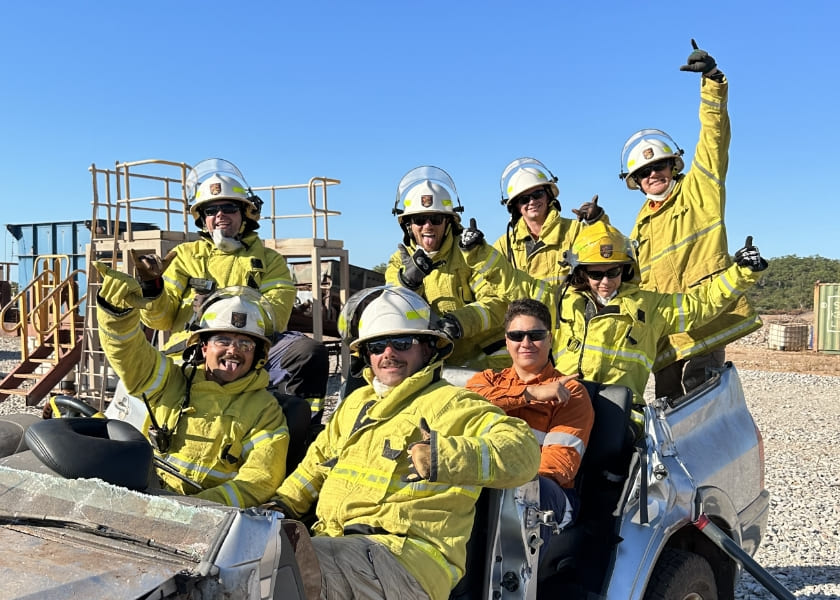
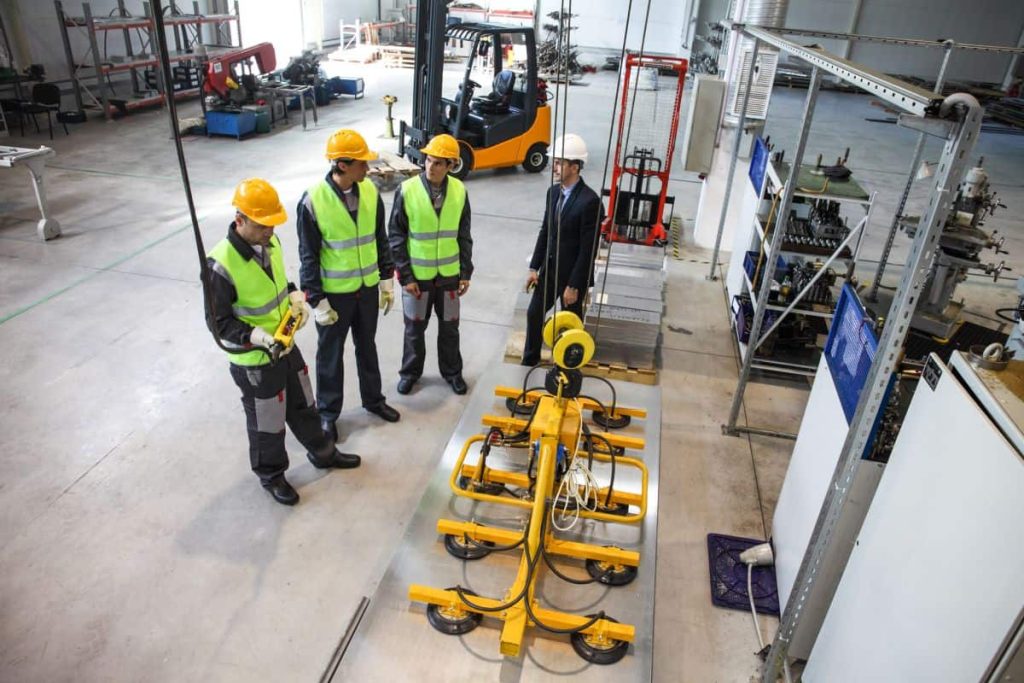
At Riklan, our emergency response courses are designed to develop these essential skills in participants. Our comprehensive training programs cover all aspects of crisis management, from initial planning to real-time response and post-crisis evaluation. By enrolling in our courses, you will gain the knowledge and practical experience needed to excel in crisis situations.

Course Highlights

Risk Assessment and Management

Learn how to identify potential risks and develop strategies to mitigate them. This includes understanding the types of crises that can occur and the best practices for preparing for and responding to these events.

Crisis Response Planning

Develop detailed crisis response plans that outline the steps to be taken in various scenarios. These plans ensure that your organisation is prepared to handle any crisis effectively.

Incident Management

Gain hands-on experience in managing incidents as they occur. This includes real-time decision-making, coordination of resources, and effective communication with all stakeholders.

Communication Strategies

Learn how to communicate effectively during a crisis. This includes crafting clear and concise messages, using various communication channels, and managing the flow of information to prevent misunderstandings.

Continuous Improvement

Understand the importance of re-evaluation and continuous improvement in crisis management. Learn how to assess your response efforts and implement changes to improve future performance.

Safety And Resilience For Organisations

At Riklan, we understand the critical role that effective crisis management plays in ensuring the safety and resilience of organisations. Our emergency response courses are designed to equip you with the essential skills needed to navigate crises confidently and competently. By investing in these skills, you can protect your organisation, maintain business continuity, and emerge stronger from any crisis. Contact Riklan today to learn more about our emergency management courses and how they can benefit your organisation.
Understanding Asbestos Removal Training

When one contemplates the intricacies of workplace safety, the significance of asbestos removal training emerges as a paramount concern. Asbestos, a once-ubiquitous material lauded for its fire-resistant properties, now poses significant health hazards, necessitating rigorous training for those who may come into contact with it. In this discourse, we shall delve into the essence of asbestos, its historical usage, the associated risks, and the critical importance of asbestos removal training.

The Nature and History of Asbestos

Asbestos refers to a group of naturally occurring fibrous minerals known for their durability, flexibility, and resistance to heat and chemicals. The two primary types of asbestos used extensively in Australia are chrysotile (white asbestos) and crocidolite (blue asbestos). These minerals were once celebrated for their utility in a plethora of products, from construction materials to automotive parts, due to their remarkable properties.

Historically, asbestos was employed in Australian buildings and infrastructure throughout the mid-20th century, peaking in usage from the 1950s to the late 1970s. It was used in thousands of products, including insulation, cement, roofing materials, and fireproofing sprays. Despite its beneficial properties, the health risks associated with asbestos exposure were eventually recognised, leading to its gradual phase-out and eventual ban in 2003.

Health Risks of Asbestos Exposure

The perils of asbestos exposure cannot be overstated. When asbestos-containing materials are disturbed, they release microscopic fibres into the air. Inhalation of these fibres can lead to severe and often fatal diseases, including asbestosis, mesothelioma, and lung cancer. These conditions typically manifest after prolonged exposure and can take decades to develop, making early detection and prevention crucial.

Asbestosis is a chronic lung disease caused by inhaling asbestos fibres, leading to scarring of lung tissue and severe respiratory issues. Mesothelioma, a rare cancer affecting the lining of the lungs, abdomen, or heart, is almost exclusively linked to asbestos exposure. Lung cancer, while having various causes, can also be attributed to asbestos inhalation, especially among those with prolonged exposure.

The Importance of Asbestos Removal Training

Given the significant health risks, comprehensive asbestos removal training is essential for those working in environments where asbestos may be present. This training equips individuals with the knowledge and skills to safely identify, handle, and remove asbestos-containing materials, thereby mitigating the associated health risks.

Key Components of Asbestos Removal Training

  1. Identification of Asbestos: Trainees learn to identify asbestos and asbestos-containing materials (ACMs) commonly found in buildings, including insulation, tiles, and roofing materials. This involves understanding the visual and compositional characteristics of different types of asbestos.
  2. Understanding Legislation and Regulations: The training covers relevant occupational health and safety (OHS) and workplace health and safety (WHS) legislation, ensuring that individuals are aware of their legal obligations and the standards that must be adhered to when dealing with asbestos.
  3. Health Effects of Asbestos Exposure: Participants are educated on the severe health consequences of asbestos exposure, emphasizing the importance of preventive measures and early detection.
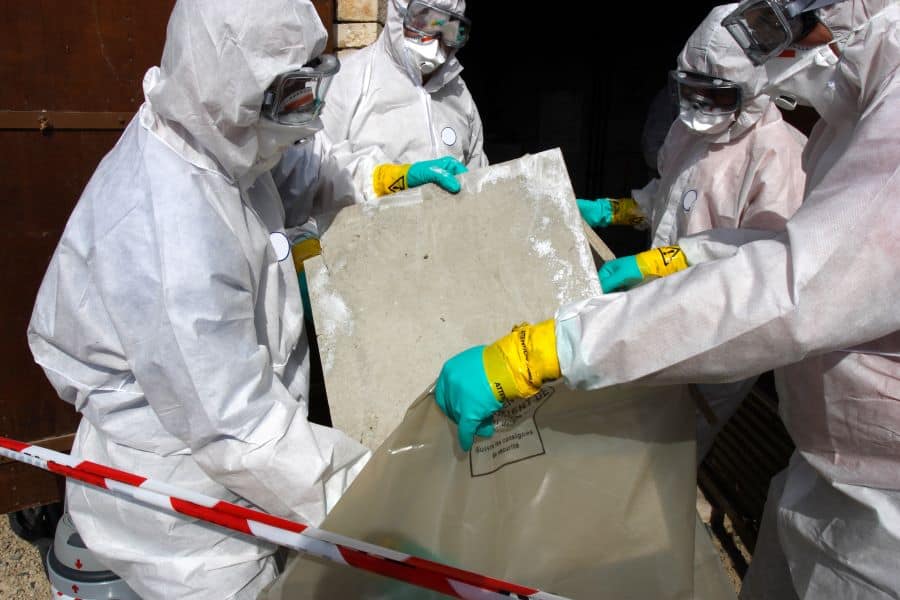
  4. Safety Procedures and PPE: Proper safety protocols are paramount. Trainees are instructed on the use of personal protective equipment (PPE), such as respirators and protective clothing, to minimize exposure to asbestos fibres.
  5. Safe Removal Practices: The training provides detailed guidelines on the safe removal and disposal of asbestos, ensuring that all procedures are conducted in a manner that protects both the workers and the environment. This includes techniques for containing and transporting asbestos waste.
  6. Licensing Requirements: Understanding when a license is required for asbestos removal is crucial. The training outlines the licensing requirements and the process for obtaining the necessary permits to carry out asbestos removal work legally.
  7. Emergency Procedures: In the event of accidental exposure or disturbance of asbestos, trainees are taught emergency response procedures to contain the situation and protect those involved.

Why Asbestos Removal Training is Crucial

  1. Compliance with Regulations: Ensuring compliance with national and international regulations protects companies from legal repercussions and enhances their reputation as responsible employers.
  2. Protecting Health and Safety: Proper training significantly reduces the risk of asbestos exposure, safeguarding the health and safety of workers and the general public.
  3. Environmental Responsibility: Effective asbestos removal and disposal prevent environmental contamination, contributing to broader public health and environmental conservation efforts.
  4. Enhanced Employability: For individuals, possessing asbestos removal certification can enhance employability and career advancement opportunities in industries such as construction, mining, and maintenance.
  5. Organisational Benefits: For businesses, having a workforce trained in asbestos management reduces liability, ensures compliance with safety standards, and fosters a culture of safety and responsibility.

Education Is Vital

Education is vital for ensuring safety in the workplace. At Riklan, we are committed to providing comprehensive training that equips individuals with the knowledge and skills necessary to handle asbestos safely and effectively. By adhering to stringent safety standards and legal requirements, we help protect the health and well-being of workers and the broader community. Investing in proper asbestos removal training is not merely a regulatory necessity but a commitment to a safer and healthier work environment. Contact Riklan today to learn more about our asbestos removal training programs and how they can benefit your organisation.
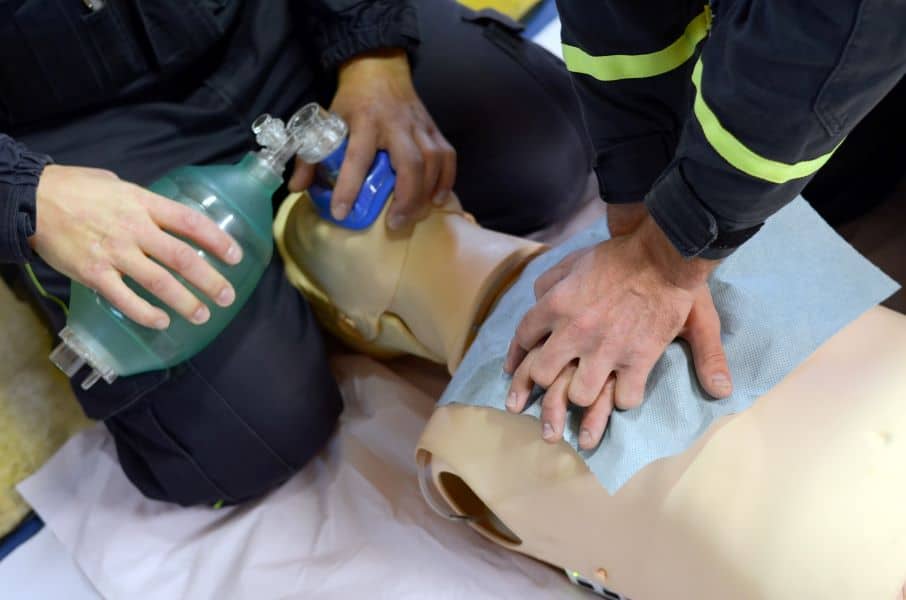
From Compliance to Competence: Unravelling Emergency Response Training Requirements

In assessing the framework for emergency response training, it’s imperative to recognise the diverse nature of requirements across various sectors.

Our examination of these stipulations reveals a core focus on ensuring that all personnel are equipped with both theoretical knowledge and practical skills to respond effectively in emergency situations.

A pivotal piece of these training requirements is the adherence to the Australian Standards for Training (AS 3745-2010). This entails a thorough induction in Emergency Control Organisation and Procedures for Buildings.

You must ensure that emergency control personnel and emergency response teams in my facility are competent. Mandatory components include:

  • Evacuation coordination
  • Emergency plan management
  • Use of firefighting equipment
  • First aid proficiency

Moreover, you will often engage with industry-specific guidelines, which dictate the nuances of training according to the particular risks present.

For instance, in the chemical processing industry, your training must encompass hazard recognition, spill control, and containment measures beyond the standard protocols. Conversely, in a corporate office environment, your focus shifts to evacuation procedures and communication systems.

In line with the Work Health and Safety Act 2011, we will ensure that your training is not only up-to-date but also periodically reviewed.

To ensure continuous improvement, we integrate simulations and drills to benchmark my readiness against dynamic and challenging scenarios.

From Compliance to Competence

In emergency response training, we recognise the importance of evolving from mere regulatory compliance to a focus on genuine competence. This transition cultivates a workforce that is not only trained but truly prepared to handle emergencies.

Understanding the Shift

We have observed that historically, emergency response training was heavily geared towards meeting legal and procedural minimums. Now, there is an emphasis on ensuring individuals possess the skills and judgement needed to effectively manage crises.

This shift acknowledges that strict adherence to protocol may not suffice when unpredictable situations arise in the field. Workers must demonstrate critical thinking, adaptability, and decision-making skills that go beyond what’s written in manuals.

Assessing Current Training Practices

By examining present training methods, we discern several areas where compliance-focused strategies are still prevalent.

Some organisations maintain a checklist approach, which, while satisfying statutory requirements, does not guarantee that employees can effectively apply their knowledge in real-world scenarios.

Our assessment involves looking at training content, delivery methods, and evaluation processes to understand how they contribute to actual preparedness.

Identifying Competence-Based Goals

Setting competence-based goals requires clarity about the skills and behaviours that enable effective emergency response.

We identify core competencies such as situational awareness, communication, leadership, and technical proficiency specific to the emergency context.

These elements should form the basis of training objectives, with a clear progression from basic to advanced applications. Becoming competent means responders can confidently adapt their actions to suit the unique demands of each incident they may face.

Unravelling Our Emergency Response Training Requirements

Understanding your emergency response training requirements involves a comprehensive review of legal standards and a commitment to translate those standards into actionable competencies. Our goal is to detail the framework we have used to achieve both compliance and practical proficiency.

Mapping Out Legal Obligations

Our first step was to meticulously catalogue all pertinent legislation and industry guidelines related to emergency response. This required a thorough examination of documents such as the Australian Standards for Occupational Health and Safety, the Work Health and Safety Act 2011, and various industry-specific requirements.

By laying out these obligations side by side, we can see where our training program needs to direct its focus.

It was imperative to ensure that not only were we meeting the letter of the law but that the intent behind each requirement was integrated into our practices.

Bridging the Gap Between Compliance and Competence

Next, we work to ensure that our compliance with legislative mandates was not merely a box-ticking exercise.

The crux of the matter lay in bridging the instructional gap between what was legally required and what would be practically applied in an emergency scenario.

To do this, we have conducted skills gap analyses to determine where our team’s capabilities could be strengthened.

It was not enough simply to be compliant; it was essential to develop real-world competencies that would stand up to the pressures of emergency situations.

Our Effective Training Program

The structure of our training program was designed with adaptability in mind. This allows us to incorporate new insights and changes in legal requirements promptly.

Training sessions have been segmented into core elements. These include hazard recognition, risk assessment, emergency protocol, response drills, and debriefing procedures.

A cyclical approach ensures regular review and updates. We also employ practical, scenario-based training exercises to build genuine proficiency.

By implementing these steps conscientiously, we have established an emergency response training program. This program satisfies our legal obligations and instils actual competence in our team members.

This dual-focus approach aligns with our commitment to safety and preparedness in the face of any emergency.

Challenges faced by road crash rescue teams

Rescue teams responding to road crashes face a myriad of challenges that test their skills and resilience. Each accident scene presents a unique set of circumstances that can complicate search and rescue efforts, ranging from the condition of the victims to environmental factors.

These teams are required to execute their duties with precision and care, despite the unpredictable nature of their work environment.

One of the primary obstacles faced by road crash rescue teams is the critical time frame within which they must operate. Known as the ‘golden hour,’ the first sixty minutes after an accident are crucial for providing medical care to reduce fatalities. However, issues such as traffic congestion, remote locations, and inclement weather can severely impede their ability to reach victims promptly.

Additionally, ensuring the safety of the rescue personnel themselves is a significant concern. They encounter risks from unstable vehicles, combustible materials, and the potential for secondary accidents, all of which require comprehensive training and adherence to strict safety protocols.

This commitment to safety is paramount in protecting not just the victims but also the rescuers who are dedicated to saving lives under often perilous conditions.

Understanding The Incident Scene

Accurate comprehension of the incident scene is critical for road crash rescue teams as it dictates the subsequent actions and ensures the safety of both the victims and the emergency responders.

Assessment Of The Situation

When road crash rescue teams arrive at the scene, their first task is to swiftly and thoroughly assess the situation. The team must ascertain the number of vehicles involved, their positions, and the condition of the occupants.

Identifying if there are any immediate threats such as fires, exposed electrical wires, or a risk of explosion is vital. They also need to determine the nature and severity of injuries to prioritise medical attention.

Information on hazardous materials present must be collected – for instance, placards on a lorry can indicate the transportation of dangerous goods. The stability of the vehicles and surrounding structures such as bridges or power poles must be assessed to prevent further incidents.

This information helps in strategising the rescue operation and ensuring all actions are tailored to the specific challenges at hand.

Risks And Safety Measures

Upon approaching the incident scene, rescuers must be cognisant of potential risks. They must bear in mind the flow of traffic near the accident scene, potential hazards from damaged vehicles, such as leaking fuel or broken glass, and the risk of vehicle movement during the rescue.

To mitigate these risks, the rescue team may set up a controlled perimeter, which could involve traffic cones and warning signs to redirect unaffected traffic. The use of stabilisation equipment is essential to prevent any movement of the vehicles that could endanger the victims or rescuers.

Furthermore, continuous monitoring for the presence of flammable substances or structural instability is necessary. Emergency response teams often wear personal protective equipment (PPE) which may include helmets, high-visibility clothing, and specialised gloves to shield against various hazards.

Medical Emergencies Handling

In the critical moments following a road crash, rescue teams face the immense responsibility of providing essential medical care and coordinating effectively with healthcare professionals to increase the survivors’ odds of recovery.

Initial Medical Assistance

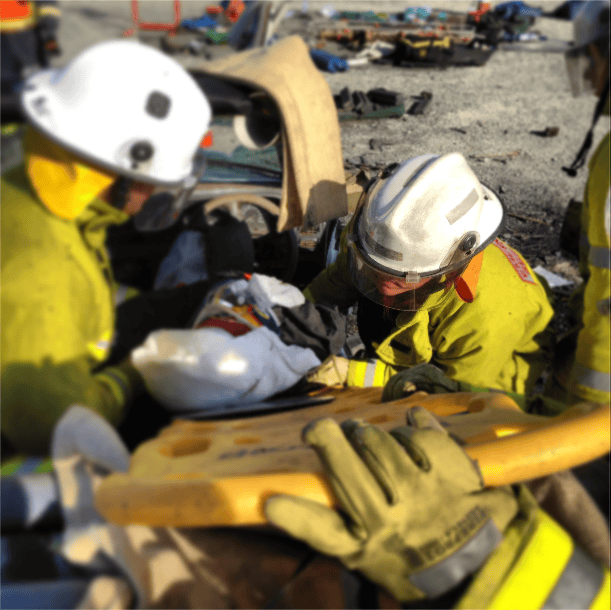
Road crash rescue teams are trained to perform life-saving interventions at the scene of the accident. These first responders must rapidly assess the victims for life-threatening injuries, such as severe bleeding, airway obstructions, or shock.

They utilise a range of emergency medical techniques, from applying tourniquets to performing CPR (Cardiopulmonary Resuscitation) and using automated external defibrillators (AEDs) when necessary. The immediacy and quality of these interventions can significantly impact patient outcomes.

Coordination With Medical Teams

Once initial medical assistance is underway, rescue teams must seamlessly coordinate with inbound emergency medical services (EMS). This involves succinctly communicating the victims’ conditions, any care already rendered, and potential complications during transport.

A structured handover, often using the ISBAR (Identification, Situation, Background, Assessment, and Recommendation) framework, ensures the incoming medical team is fully informed. Such coordination is crucial to facilitate a smooth transition and continued care en route to medical facilities.

Technical Challenges In Extrication

Extrication during road crash rescue operations presents technical challenges that rescue teams must overcome. Advanced skills, techniques, and the proper use of specialised equipment are critical for success.

Using Rescue Tools

Rescue teams face significant challenges when utilising various tools to extricate victims. Hydraulic cutters, spreaders, and rams must be carefully chosen based on the specific materials and construction of the vehicle.

The use of high-strength steel in modern vehicles requires tools capable of exerting greater force, and operators must be adept at using these tools in confined spaces. Tool malfunction or inadequate power supply can further complicate the extrication process.

Vehicle Stabilization Techniques

Stabilising a vehicle is paramount for safe extrication. The sophistication of modern vehicles, with varying centres of gravity and stabilisation points, requires technical knowledge to successfully employ stabilisation techniques.

Rescue teams use chocks, blocks, and stabilisation struts; however, uneven terrain or vehicle position, such as being upside down or on its side, often necessitates improvisation and adaptability. A thorough understanding of vehicle dynamics and stability is essential to prevent additional movement that could endanger both the victim and the rescue personnel.

Inter-Agency Cooperation

Effective inter-agency cooperation is vital for the success of road crash rescue operations. It ensures a unified and efficient response from all parties involved.

Communication With Other Responders

In a road rescue scenario, clear and timely communication between different agencies such as police, fire, and ambulance services is crucial. These entities must share information about the nature of the accident, the resources needed, and any hazards present at the scene.

Radio systems are often employed to facilitate immediate exchange of information, and procedures are in place to resolve any frequency or communication protocol conflicts.

Collaboration Protocols

Collaboration protocols define how multiple agencies work together during a road crash rescue. These protocols include defined roles and responsibilities, shared safety procedures, and the use of joint training sessions to improve interoperative function.

Agencies typically reference a pre-arranged framework which outlines command structures and the integration of services, ensuring that the actions of diverse teams are coordinated and not duplicative.

Post-Rescue Operations

Post-rescue operations are critical components of road crash responses, emphasising the importance of dealing with the aftermath and providing support for victims and their families.

Dealing With Aftermath

Following the rescue phase, teams are tasked with clearing the crash site to restore normal traffic flow and reduce secondary incidents. Their responsibilities often include the removal of debris and possibly hazardous materials.

Moreover, they must ensure that the area is safe for other road users, a process that might involve coordinating with towing services, emergency services and road maintenance crews.

Support For Victims And Families

The psychological impact on victims and their families is profound. Victim support specialists work to ensure that immediate and long-term needs are met.

They provide essential information and referrals to counselling services, help navigate insurance processes, and offer guidance on legal matters. The consistent focus is on delivering compassionate and practical assistance during a difficult time.

Training And Preparedness

Road crash rescue teams face unique challenges requiring specific training and a high level of preparedness. The ability to respond effectively hinges on realistic training exercises and up-to-date knowledge.

Simulated Rescue Scenarios

Simulated scenarios are a cornerstone of training for rescue teams. They replicate the conditions and pressures of real-life road crash situations to ensure that responders can manage various emergencies.

Practical exercises involve staged accidents where team members practise extrication techniques and medical interventions in a controlled environment. This hands-on approach fosters critical decision-making skills that are vital in unpredictable conditions.

Continuous Skill Development

Continuous training is essential for maintaining the proficiency and readiness of road crash rescue teams.

Skill updates are imperative, covering advances in vehicle technology, new extrication equipment, and evolving medical care standards.

Teams regularly attend workshops and accreditation programmes to refine their abilities, ensuring their methods remain best practice. This ongoing development is imperative to adapt to emerging challenges in road rescue scenarios.

Challenges Faced By Road Crash Rescue Teams

Road crash rescue teams encounter a range of difficulties that can impact their efficiency and safety.

These challenges start with time constraints. Teams often operate within the ‘golden hour,’ in which prompt medical intervention is crucial for victim survival.

Access to crash sites sometimes requires navigating through dense traffic or rough terrain, which can lead to delays.

The location and environment of the incident pose additional hurdles.

Crashes in remote areas may have limited accessibility, whereas urban ones might evolve under the gaze of large numbers of onlookers. This can potentially cause distractions or obstruct operations.

Safety hazards, such as the risk of fire, unstable vehicles, and the presence of hazardous materials, necessitate stringent risk assessment and management.

Rescue workers must often extract victims from compromised vehicles, which demands specialised tools and techniques.

This intricate task, coupled with the necessity to maintain the integrity of the crash site for investigative purposes, adds complexity to their mission.

The rescue team also faces emotional and psychological stress from working in high-stakes environments and dealing with traumatic situations.

Managing this stress is crucial to prevent burnout and ensure long-term operational capacity.

Communication between multiple agencies, including paramedics, police, and fire services, requires clear and efficient protocols.

Disjointed communication can lead to coordinated response issues, compromising both rescue efforts and safety.

Equipping teams with the skills and resources to overcome these challenges is essential for their success.

Subscribe to our newsletter